BC Building Code Rules for Structural Drying After a Burst Pipe
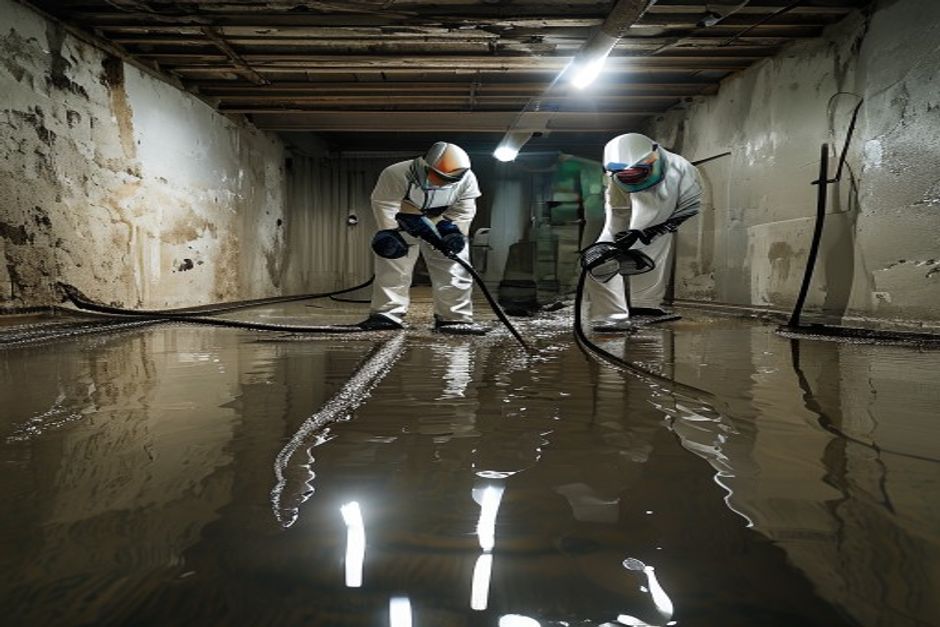
BC Building Code
Rules for Structural Drying After a Burst Pipe
BC Building Code sets strict standards for structural drying after a burst pipe. Wood framing must dry to below 19% moisture content. This stops rot and mold. Every job needs a written drying plan. Coastal humidity or mountain freeze-thaw cycles change drying time.
Always check with Technical Safety BC before running drying equipment in flood-damaged buildings.
Why this matters? Ignoring code can void insurance claims. It also risks crew safety and occupant health. Rules vary by province. In BC, WorkSafeBC governs crew safety. Municipal permits are often needed for structural repairs. Pricing, timelines, and code checks differ by city. Know your local building inspection office.
Main body
After a burst pipe, the BC Building Code sets strict rules for structural drying. These rules protect your home from hidden damage and mold growth. Following them is key to passing inspection and getting insurance approval.
What the BC Building Code Says About Structural Drying
The BC Building Code references IICRC S500 standards for water damage restoration. It requires drying to achieve specific moisture levels in building materials. Wood framing must reach below 15% moisture content. Drywall needs to dry to under 1% on moisture meters.
The code also governs air movement and dehumidification equipment placement. WorkSafeBC rules apply to how crews set up drying gear near electrical panels. Fire code requirements limit extension cord use and demand proper grounding.
Municipal permits are needed if drying leads to structural repairs. Removing wet drywall or opening wall cavities often triggers permit requirements. Local building inspectors check that drying meets code before repairs begin.
“The BC Building Code treats structural drying as a critical step. Skipping it means failed inspections and denied claims.”
Our Structural Drying services follow these code rules exactly. We document moisture readings for every wall and floor cavity.
Practical Decision Points After a Burst Pipe
The first decision is when to start extraction. Within 24 hours, water migrates into wall cavities and under flooring. Delay raises drying costs and code violation risk.
Next is equipment choice. The BC Building Code expects commercial-grade air movers and dehumidifiers. Residential fans don’t meet the airflow standards required for code compliance.
Monitoring frequency matters. Code requires daily moisture checks with calibrated meters. Readings must be logged and kept for insurance and inspection records.
Material removal is another decision. Wet insulation must come out. Baseboards and drywall may need removal to expose wall cavities. The code sets clear rules on how much material can stay versus what must go.
Each decision affects permit requirements and inspection outcomes. A wrong call means rework and delay.
Warning Signs Your Drying Job Isn’t Meeting Code
Lingering moisture after three days is a red flag. The BC Building Code expects visible drying progress within 48 hours. Stagnant readings mean equipment is undersized or placed wrong.
Musty odors indicate hidden moisture in wall cavities. Code requires all cavities to dry, not just visible surfaces. Odors mean mold is starting to grow.
Visible mold on drywall or wood means drying failed. The Canadian Environmental Protection Act governs disposal of mold-affected materials. Contaminated drywall must be bagged and disposed of properly.
Failed moisture meter readings during inspection trigger stop-work orders. Municipal inspectors can halt all work until drying meets code standards.
Condensation on windows or cold surfaces points to excess humidity. The code sets maximum humidity levels during drying. Exceeding them risks secondary damage.
A single warning sign means calling a professional. Waiting doubles repair costs.
Cost Factors and Regional Variables
Equipment rental drives costs. Commercial air movers cost $50–$100 per day each. A typical job needs 4–6 units for 3–5 days.
Permit fees vary by municipality. Vancouver charges higher fees than smaller BC towns. Some cities require separate permits for drying and repair work.
Labour rates differ across regions. Metro Vancouver rates run 20–30% higher than interior BC. WorkSafeBC coverage adds to crew costs.
Insurance coverage affects out-of-pocket costs. Some policies cover structural drying fully. Others cap drying days or equipment types. The Insurance Bureau of Canada provides guidance on typical coverage limits.
Material disposal costs vary. Contaminated drywall and insulation must go to approved facilities. Transport Canada rules apply if waste crosses municipal boundaries.
Our Basement Water Damage Cleanup page covers cost factors for below-grade drying jobs.
When to Call a Professional
Call a pro when water sits for more than 24 hours. Bacterial growth starts fast. Sewage-contaminated water needs special handling under public health rules.
Call when wall cavities are wet. Drying inside walls requires industrial equipment and expertise. DIY attempts miss hidden moisture and fail code.
Call when mold is visible. Mold remediation in BC requires trained crews. Some provinces like Alberta and Quebec need licensed contractors. BC expects IICRC certification for mold work.
Call when permit questions arise. Municipal building departments vary in their drying requirements. A professional knows local inspectors and their expectations.
Call when insurance claims are involved. Proper documentation of drying meets insurer requirements. Missing moisture logs can delay or deny claims.
Northern Flood Restore Canada crews follow BC Building Code rules on every job. We handle permits, inspections, and documentation. Contact us when code compliance matters.
Water Damage Restoration & BC Building Code Compliance Across Canada
Local code variations can change drying requirements. Always verify with your municipal building authority.
Following BC Building Code rules for structural drying isn’t optional. It protects your property, your safety, and your wallet. Skipping proper protocols risks failed inspections, hidden mold, and rising repair costs.
Damage grows fast. Downtime extends. Safety hazards multiply.
Every Canadian market has unique conditions. Climate, local amendments, and inspector expectations vary. A one-size-fits-all approach fails.
Your next step is direct. Contact Northern Flood Restore Canada for code-compliant drying. They know local rules across provinces. They assess your situation, follow BC standards, and prevent costly rework.
Don’t gamble with structural integrity. A small delay today becomes a major expense tomorrow. Request help now.
Frequently Asked Questions
Need Nationwide Water Damage Restoration?
We connect you with trusted local providers in your province or city. Call or email us today.