Mold Remediation Contractor Licensing Requirements in Alberta and Quebec
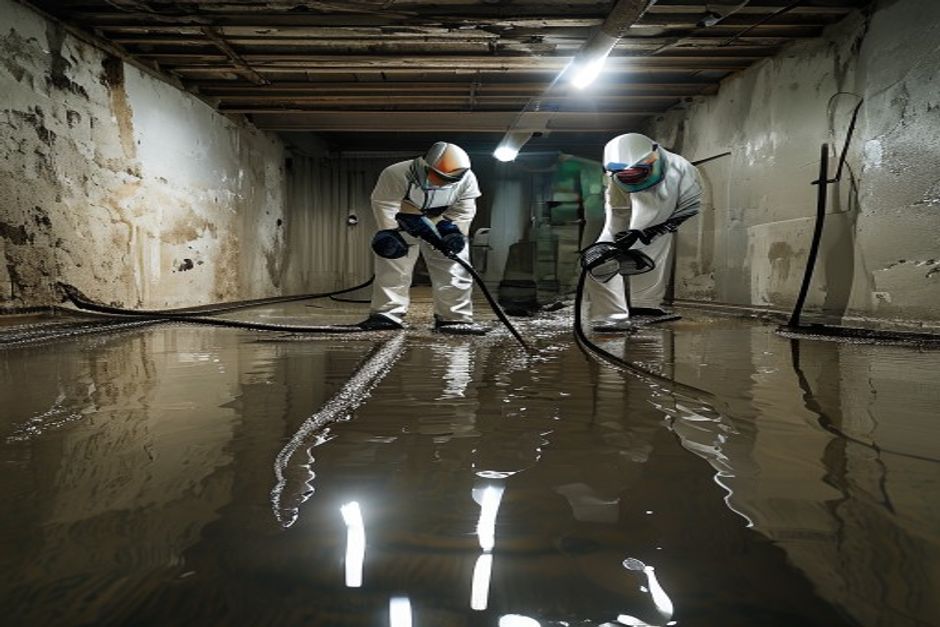
Mold Remediation Contractor
Licensing in Alberta and Quebec
Alberta and Quebec both require specific licensing for mold remediation contractors. In Alberta, you need a mold remediation contractor license from the Alberta government. Quebec mandates certification through the RBQ (Régie du bâtiment du Québec) for any work affecting building structures.
Why does this matter? Unlicensed work voids insurance claims and risks fines. Local climate extremes — basement flooding from snowmelt in Alberta, heavy rain in Quebec — drive demand. But rules change by municipality. Calgary and Montreal have additional permit requirements.
Always verify your license covers the exact scope of mold removal. One mistake can shut down your operation.
Provincial building codes and WorkSafe regulations also apply. Licensing is your first step toward legal, insurable work.
Main body
Mold remediation licensing rules vary significantly across Canadian provinces. Alberta and Quebec have two of the most distinct regulatory frameworks, and homeowners in those provinces face different requirements when hiring a contractor. Knowing these differences helps you avoid unqualified crews and potential liability issues.
Why Licensing Rules Differ Between Alberta and Quebec
Alberta does not have a provincial license specifically for mold remediation contractors. The province relies on trade qualifications and voluntary certifications instead. Quebec takes a different approach. The Régie du bâtiment du Québec (RBQ) requires a license for any contractor doing mold remediation work. That license comes with specific training and insurance requirements. A Quebec homeowner can verify a contractor’s license online. An Alberta homeowner cannot. The difference stems from how each province views mold work. Quebec treats it as a construction activity. Alberta treats it as a specialized service. Both approaches have trade-offs. Quebec offers more consumer protection upfront. Alberta offers more flexibility but requires homeowners to do their own vetting. The Canadian Association of Mold Inspectors and Remediators (CAMIR) provides guidance in both provinces.
“In Quebec, if a contractor cannot show a valid RBQ license for mold work, they should not be in your home.”
Red Flags When
Hiring a Mold Remediation Contractor
Warning signs look different in each province. In Alberta, a contractor who refuses to show IICRC certification is a red flag. The Institute of Inspection, Cleaning and Restoration Certification is the industry standard there. In Quebec, the first question should be about their RBQ license number. If they hesitate, walk away. Other red flags apply everywhere. A contractor who offers a quick fix without testing the moisture source is cutting corners. Mold always returns if the water problem remains. Watch for crews that lack proper PPE — respirators, gloves, and disposable suits. That signals they ignore provincial occupational health and safety rules. Also avoid contractors who ask for full payment upfront. Reputable firms bill after the work passes inspection. Insurance Bureau of Canada (IBC) guidelines recommend written contracts for all mold work.
- No IICRC certification in Alberta
- No RBQ license in Quebec
- No moisture source investigation
- Missing proper safety equipment
- Full payment demanded upfront
Cost Factors That
Depend on Your Province
Mold remediation costs vary by province for several reasons. Licensing requirements affect pricing. In Quebec, licensed contractors carry higher overhead for insurance and training. That often means higher hourly rates or project quotes. In Alberta, the lack of a provincial license means more price competition. But it also means more unqualified operators. The size of the mold problem drives cost more than anything else. A small patch of surface mold in a bathroom might cost $500 to $1,000. Hidden mold behind walls or under floors can run $3,000 to $10,000 or more. Insurance policy differences also play a role. Some policies cover mold remediation only if it results from a covered water loss. Others exclude mold entirely. Check your policy before work begins. The Canadian Environmental Protection Act governs disposal of mold-affected materials, which adds cost for proper handling. Municipal permits may also be needed for structural repairs after mold removal.
“The cheapest quote is often the most expensive in the long run. Mold that is not fully removed will cost more to fix later.”
When to Call a Licensed Professional
Not every mold spot needs a licensed contractor. Small patches under 10 square feet can often be cleaned by a homeowner with proper precautions. But any mold from sewage backup or flood water needs a professional. Those situations involve contaminated water and require specialized handling. Call a pro when you see mold after a burst pipe or basement flood. Also call if the mold covers more than 10 square feet, if you smell musty odors but see no visible growth, or if anyone in the home has respiratory issues. Structural drying after water intrusion must meet provincial building code standards. A licensed contractor knows those requirements. For homeowners in Alberta, look for IICRC-certified firms. In Quebec, verify the RBQ license. Either way, ask for references and a written scope of work. Do not let anyone start work without a clear contract. Our Mold Remediation services follow all provincial rules and industry standards. Contact Northern Flood Restore Canada to discuss your situation and get a qualified crew on site.
Mold Remediation Contractor
Licensing in Alberta and Quebec
Licensing rules differ between Alberta and Quebec. Alberta has no provincial license, but local bylaws may apply. Quebec requires a RBQ license for work over $9,400.
Local code rules can change the final answer. Always verify with your municipality.
Key takeaways:
-
Check your province’s requirements first.
-
Unlicensed work risks failed inspections and rising repair costs.
-
Safety and downtime increase with non-compliance.
Next step: Contact Northern Flood Restore Canada for direct guidance on your market. Avoid delays that lead to damage or safety risks.
Frequently Asked Questions
Need Nationwide Water Damage Restoration?
We connect you with trusted local providers in your province or city. Call or email us today.