Ceiling Water Damage Repair: Permits Needed for Drywall Replacement in Canada
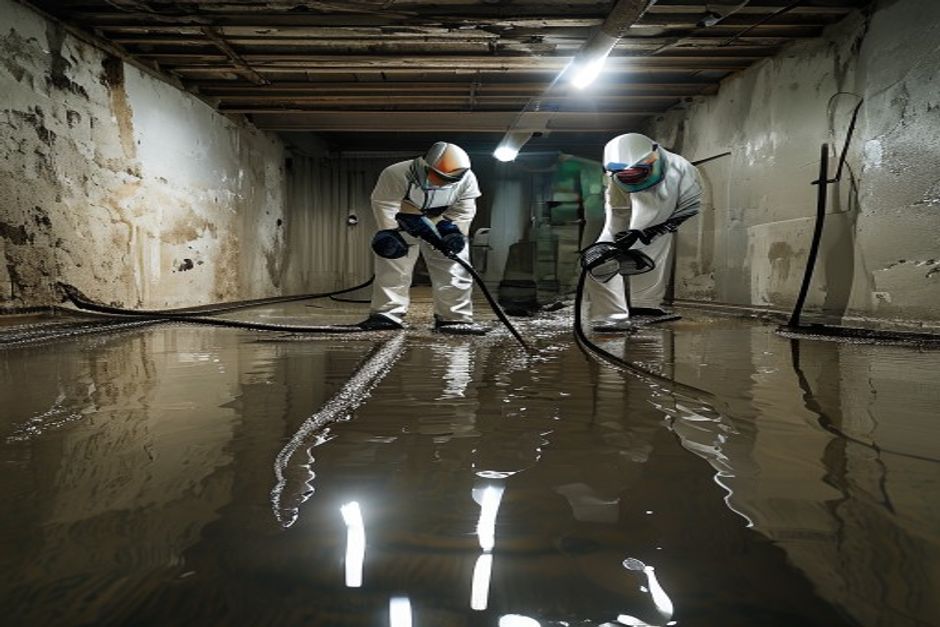
Ceiling Water Damage Repair: Drywall Permits in Canada
Ceiling water damage from burst pipes or roof leaks needs quick action. Before cutting out wet drywall, check your municipal permit office. Most Canadian cities require permits for structural repairs or electrical work.
“Skip the permit, risk the claim denial.”
Real-world reality: Ontario Building Code and BC Building Code set drying standards. Canadian Environmental Protection Act rules apply if mold or sewage is present. Permit needs shift by province—Quebec and Alberta often require mold remediation licenses. WorkSafeBC or WSIB rules govern crew safety.
Pricing and timing vary: Permit waits range from 1–10 days. Emergency drying starts first—permit comes after. Insurance adjusters may demand proof of permits for payout.
Main body
When water damage soaks through your ceiling, the drywall often needs replacing. But in Canada, that repair may require a municipal permit before you cut the first panel. Provincial building codes and local bylaws vary widely, so knowing the rules upfront saves you from failed inspections and costly rework.
When a Permit Is
Required for Drywall Replacement
Not every ceiling repair triggers a permit. But many do.
You likely need a permit if:
- The damage affects structural framing or insulation
- You replace more than one full sheet of drywall
- The ceiling contains latent hazards like knob-and-tube wiring
- The repair involves relocating vents, ducts, or fixtures
The Ontario Building Code requires permits for any repair that alters the building envelope or structural elements. In British Columbia, the BC Building Code applies similar rules for ceiling assemblies in multi-unit buildings.
“A simple patch under two feet wide rarely needs a permit. Anything larger, or any repair tied to flood or sewage damage, usually does.”
Always call your local municipal building permit office before starting. It’s a five-minute call that can save weeks of delays.
Provincial and Municipal Differences Across Canada
Canada’s building codes are provincial. But permit enforcement is municipal.
Here’s how it breaks down by region:
| Province | Key Rule | Permit Trigger |
|---|---|---|
| Ontario | Ontario Building Code | Structural or envelope changes |
| BC | BC Building Code | Ceiling assembly modifications |
| Alberta | Municipal bylaws | Repairs over 3 panels |
| Quebec | Provincial licensing for mold contractors | Mold-affected drywall |
| Atlantic provinces | Local building inspection | Flood-related repairs |
In Nova Scotia, for example, a ceiling repair after a storm may need both a building permit and a public health unit sign-off if sewage was involved. In Prince Edward Island, smaller municipalities often waive permits for minor patches but require them for full-room replacements.
Check with your local building inspection department. Rules differ even between neighbouring towns.
Cost Factors and Permit Fees
Permit fees add to your repair cost. But skipping them costs more.
Typical permit fees for drywall replacement:
- Minor repair permit: $50–$150
- Full ceiling replacement: $150–$400
- Structural modification permit: $400–$1,000
- Express or same-day permit: $100–$300 extra
Beyond the permit, expect costs for:
- Structural drying before drywall goes up
- Mold remediation if moisture sat for more than 48 hours
- Inspection fees for electrical or HVAC checks
- Disposal fees for contaminated drywall under Canadian Environmental Protection Act rules
Delaying the permit can double your cost. If you repair without one and fail inspection, you pay to tear it out and redo it.
Warning Signs You
Need a Permit (and a Pro)
Some ceiling damage looks simple but hides complexity.
Watch for these signs:
- Sagging drywall — indicates trapped water above
- Brown or yellow stains — may signal ongoing leaks
- Peeling paint or bubbling — moisture trapped behind the surface
- Musty odour — mold growth inside the ceiling cavity
- Cracked joints or tape — structural movement from water damage
If you see any of these, call a certified restoration contractor. They understand IICRC drying standards and provincial occupational health and safety requirements.
“A homeowner who patches a wet ceiling without drying the cavity first is just building a mold farm behind fresh paint.”
Our Ceiling Water Damage Repair service includes full moisture mapping, permit verification, and code-compliant drywall replacement.
When to Call a Professional Restoration Crew
DIY ceiling repair is tempting. But water damage restoration is not drywall work alone.
You need a pro when:
- The water came from sewage backup or flooding
- The ceiling has visible mold growth
- The damage spans multiple rooms or floors
- You need structural drying equipment (air movers, dehumidifiers)
- Your insurance claim requires documented drying logs
Professional crews follow IICRC S500 standards for water damage. They also handle Transport Canada rules for hazardous waste disposal if sewage debris is involved.
In provinces like Quebec and Alberta, mold remediation contractor licensing is mandatory. Attempting mold cleanup without a license can void your insurance coverage.
For flood-related ceiling damage, our Flood Damage Repair team coordinates with municipal inspectors and insurance adjusters so you don’t have to.
The Bottom Line on
Permits and Drywall Replacement
Permits protect you. They ensure the repair meets fire code requirements, electrical safety rules, and structural standards.
Skipping a permit risks:
- Failed home inspection at sale
- Insurance claim denial
- Fines from municipal enforcement
- Hidden mold growth behind new drywall
The smart move: call your local building permit office first. Then call a restoration crew who knows the code.
Northern Flood Restore Canada operates across all provinces and territories. We handle permit research, drying protocols, and code-compliant repairs from Halifax to Victoria.
Contact us today for a ceiling damage assessment and permit check.
Permits for Ceiling Drywall
Repair in Canada: Your Next Step
Permit rules vary by city and province. What works in Toronto may fail in Vancouver. Always confirm local code requirements before cutting drywall.
A permit costs less than a failed inspection or an insurance claim.
Delaying the permit check risks more than fines. Water damage spreads. Mold grows. Repair costs rise fast. You also face downtime and safety hazards.
Northern Flood Restore Canada handles permit navigation nationwide. We know local rules from across Nova Scotia and Prince Edward Island.
-
Get the right permit — we check your city’s code.
-
Avoid inspection failures — we follow the rules.
-
Stop damage from getting worse — we act quickly.
Contact Northern Flood Restore Canada today. Tell us your city. We will confirm what permits your ceiling drywall replacement needs. Do not wait. Damage, downtime, and costs only increase.
Frequently Asked Questions
Need Nationwide Water Damage Restoration?
We connect you with trusted local providers in your province or city. Call or email us today.