Does Your Basement Flooding Require a Municipal Permit in Ontario?
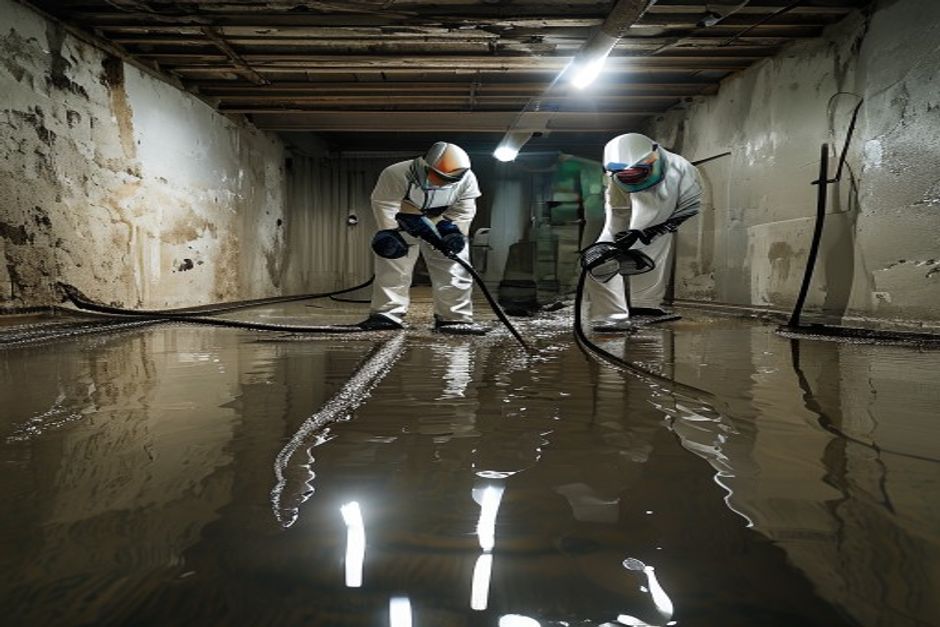
Basement Flooding
Permits in Ontario: What You Need to Know
Yes, basement flooding often requires a municipal permit in Ontario. If your flood damage involves structural repairs, replacing drywall, or altering drainage, your local building permit office must approve the work. The Ontario Building Code sets the standards for drying and reconstruction.
Skip the permit and you risk fines, insurance denial, or unsafe repairs.
Why this matters: Heavy rain, snowmelt, and burst pipes drive most basement flooding in Ontario. Each municipality — Toronto, Ottawa, Hamilton — has its own permit rules. Some require permits for any flood repair; others only for structural changes. Always check with your local building department before starting restoration. A quick call saves you headaches later.
Main body
After a basement flood, most homeowners focus on removing the water and drying out the space. That is the right first step. But in Ontario, the next question is often overlooked: do you need a municipal permit to complete the repairs? The answer depends on what you are fixing, how deep the damage goes, and whether you are changing the structure. Ignoring this step can delay your insurance claim, stop a home sale, or trigger a costly stop-work order from your local building department.
When Does a Basement Flood
Require a Municipal Permit?
A permit is not needed for basic cleanup. You can remove water, pull wet carpet, and run air movers without one. The requirement kicks in when you start replacing structural materials.
The Ontario Building Code sets the rules. A permit is required if you replace more than 5 square metres of drywall on a ceiling. It is also needed for any repair to load-bearing walls, floor joists, or foundation elements. Replacing insulation, vapour barrier, or electrical wiring also triggers a permit.
Municipalities enforce these rules differently. Toronto may require a permit for any new electrical outlet. A smaller town may only care about foundation work. Always call your local building permit office before starting repairs.
Tip: If you cut drywall more than 2 feet above the floor, call your permit office first.
Cost Factors That Shift With Permit Rules
Permit fees vary widely across Ontario. A simple electrical permit may cost $100. A full basement renovation permit after a flood can run $500 to $1,500.
The bigger cost is the work itself. If you skip the permit and get caught, the municipality can make you tear out finished work for inspection. That doubles your repair bill.
Permitted work also requires inspections. A drywall inspection before closing the walls adds a day to the timeline. A final inspection adds another. Plan for 2 to 3 extra site visits from the building inspector.
Insurance companies notice permit issues. If your claim involves structural repair and you skipped the permit, the adjuster may deny coverage for the repair portion. Always check with your insurer before starting work.
Warning Signs That Your Flood Needs a Permit
Some floods are minor. A washing machine hose burst that only wets the floor slab may not need a permit. But look for these signs that trigger permit requirements:
- Water reached the base of load-bearing walls
- Drywall is wet more than 12 inches above the floor
- You need to remove or replace insulation
- Electrical outlets or wiring got wet
- The flood came from sewage backup (requires health unit involvement)
If any of these apply, call your municipal building department. They can tell you exactly what permits are needed. Do this before you hire a contractor.
Sewage backups are a special case. The local public health unit may need to inspect before cleanup begins. This is separate from the building permit.
When to Call a Professional Restoration Company
DIY cleanup works for small, clean water spills. But most basement floods in Ontario involve Category 2 (grey water) or Category 3 (black water) contamination. These require professional handling.
A licensed restoration crew follows IICRC standards for structural drying. They also know local permit rules. Many crews pull the permit themselves as part of the job. This saves you time and prevents mistakes.
For sewage backups, the Canadian Environmental Protection Act governs disposal of contaminated materials. A professional crew handles this correctly. They also coordinate with the public health unit and your insurance adjuster.
Call a pro when the water is more than 1 inch deep or has been standing for more than 24 hours. Mold growth starts fast, and hidden moisture leads to structural rot.
Regional Differences Across Ontario
Permit rules are not uniform across the province. The Ontario Building Code sets minimum standards, but each municipality adds its own rules.
In the Greater Toronto Area, permit requirements are strict. Any drywall replacement over 5 square metres needs a permit. In Northern Ontario, some municipalities only require permits for foundation repairs. In Ottawa, electrical work always needs a separate permit.
Climate also drives the rules. Areas with heavy snowmelt flooding may have stricter foundation repair permits. Regions with frequent freeze-thaw cycles require permits for any insulation replacement.
Always confirm with your local building department. Do not rely on what a neighbour or online forum says. The rules change by town and by year.
The Cost of Delay
Waiting to check permit requirements costs money. If you start repairs without a permit and get caught, the municipality can issue a stop-work order. That stops your drying process. Mold can start growing within 48 hours.
A stop-work order also delays your insurance claim. The adjuster will not sign off until the permit issue is resolved. That can add weeks to your timeline.
The worst case: you sell the home and the buyer’s inspector finds unpermitted work. The sale can fall through, or you must pay for retroactive permits and inspections.
Your Next Step
Start with the water removal. Then call your local building permit office. Ask what permits apply to your specific repair.
For most Ontario homeowners, the safest path is to hire a professional restoration company. They handle the permits, the drying, and the inspections. This keeps your insurance claim on track and your home safe.
Contact Northern Flood Restore Canada for help with your basement flood. We understand Ontario’s permit rules and can guide you through the process. If you are in the Maritimes, check our Water Damage Restoration in Nova Scotia page for local permit information alert.
Final Check: Basement Flooding Permits in Ontario
The answer is rarely a simple yes or no. Municipal permit rules vary by city in Ontario. Always verify with your local building department before starting work.
One missed permit can stall your entire restoration.
Delaying that check costs you more than time. Damage spreads. Downtime stretches. Safety risks grow. Failed inspections can double your repair bill.
Northern Flood Restore Canada knows the local codes. We handle the permit questions so you don’t have to.
-
Confirm your municipality’s rules.
-
Avoid costly rework.
-
Get the job done right.
Contact us today. We serve homeowners across Ontario with fast, code-compliant flood restoration.
Frequently Asked Questions
Need Nationwide Water Damage Restoration?
We connect you with trusted local providers in your province or city. Call or email us today.